Not sure how to wash microfibre garments? These synthetic fabrics have gained popularity due to their versatility, durability and easy maintenance. However, to ensure that your microfibre garments remain impeccable and last, you need the right washing and care techniques.
In this guide, we will discover the world of microfibre and share valuable tips for washing microfibre garments without making mistakes.
Microfibre is a synthetic fabric made mainly of polyester, nylon or a combination of both. Its distinctive feature is the ultra-thin fibre structure, which gives it an extremely soft and lightweight look and feel. These microscopic fibres have several advantages, including their ability to retain moisture, thermal insulation and resistance to bending. Microfibre garments are widely used in various sectors, from fashion to furniture. But to keep them in perfect condition, knowing their differences from traditional polyester is essential.
Microfibre is often confused with polyester, as both are synthetic fabrics. However, there are some key differences between the two. While polyester is made from thicker, larger fibres, microfibre consists of ultra-thin filaments, much thinner than the diameter of a human hair. This microscopic structure makes the microfibre incredibly smooth to the touch. It gives it unique properties, such as a greater ability to absorb moisture and faster drying. In addition, microfibre garments tend to be less prone to creasing than traditional polyester fabrics. Knowing these differences is essential to ensure that microfibre items are washed and cared for in the best possible way.
Following the washing instructions is essential to ensure the durability and beauty of your microfibre garments. Before starting, carefully consult the care labels for specific instructions. Make sure to separate garments by colour and use a mild detergent suitable for synthetic fabrics such as microfibre. When washing, choose a gentle cycle with cold or lukewarm water and avoid overloading the machine. After washing, dry the garments at a low temperature or in the open air and store them carefully to avoid permanent creases. By following these tips, your microfibre garments will retain their beauty and durability.
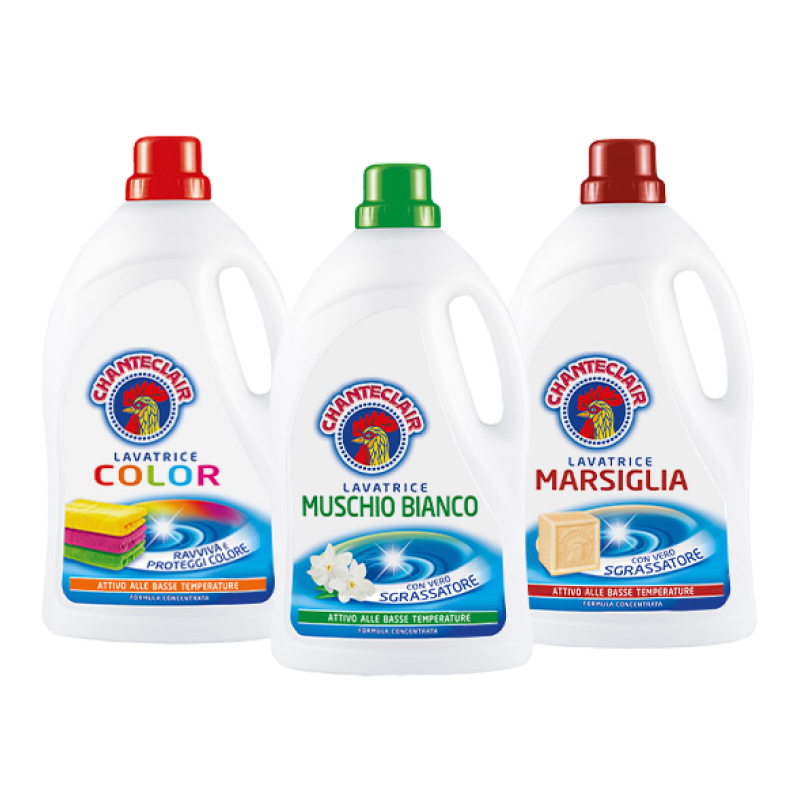
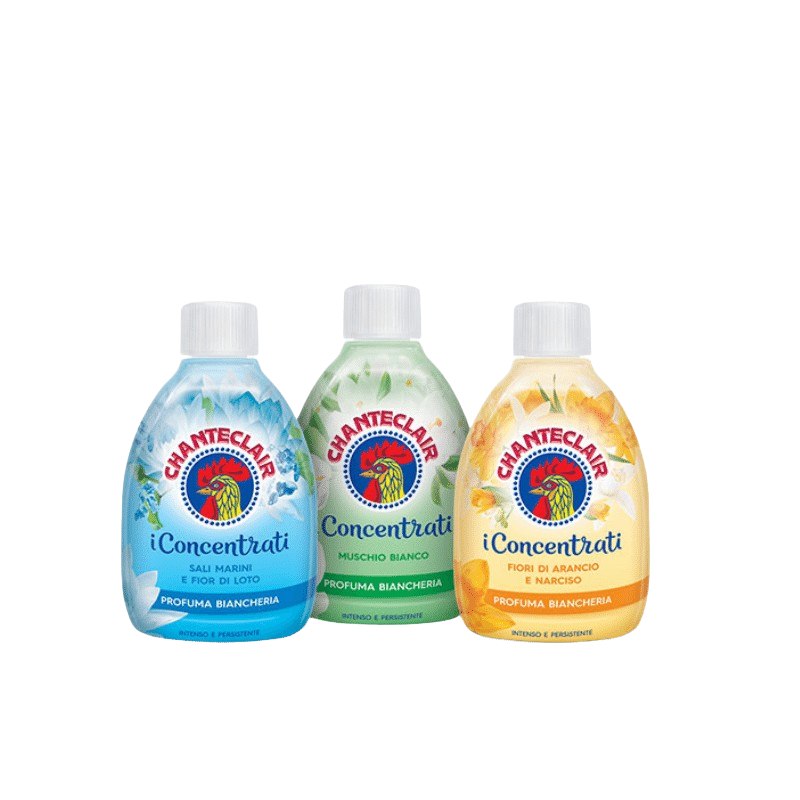
Chanteclair Colour Laundry Detergent is the ideal choice for caring for your microfibre garments. This product is designed to revive and protect fabric colours, giving them new vitality and brilliance. Its special concentrated, highly effective formula guarantees impeccable cleaning, even at low temperatures and removes even the most stubborn stains.
When cleaning your microfibre garments, you can trust the power of this detergent, which will keep your fabrics in perfect condition over time, preserving their colour intensity and beauty.
Now that you have found out how to treat your microfibre garments with care, take note of these five valuable tips to ensure that you never get it wrong:
Lace is a delicate, fine fabric that adds a touch of elegance and femininity to any garment. However, caring for it can seem like a challenging task. In this article, we will guide you through the secrets of washing and drying lace lingerie in the washing machine without compromising its beauty and durability. You can keep your lace garments as good as new with a few tricks and the right products.

Not sure how to wash microfibre garments? These synthetic fabrics have gained popularity due to their versatility, durability and easy maintenance. However, to ensure that your microfibre garments remain impeccable and last, you need the right washing and care techniques.
In this guide, we will discover the world of microfibre and share valuable tips for washing microfibre garments without making mistakes.
Velvet is an alluring fabric, known for its soft and elegant texture. However, its delicacy may cause some concern when it comes to cleaning. In this article, we will explore how to care for velvet garments, ensuring that they remain beautiful and intact over time. Velvet is a highly prized fabric with a history rooted in the Orient from the 13th century. And even today, preserving its flawless appearance requires a careful approach to cleaning. Let's find out how best to do it.